An academic education calendar is a foundational planning tool for schools, universities, educators, students, and parents. In 2026, academic schedules are becoming more complex due to blended learning models, extracurricular activities, examinations, and institutional deadlines. A well-organized academic calendar system ensures clarity, consistency, and effective time management throughout the academic year.
This article explains how an academic education calendar for 2026 can be structured into an organized system that supports learning, administration, and long-term planning.
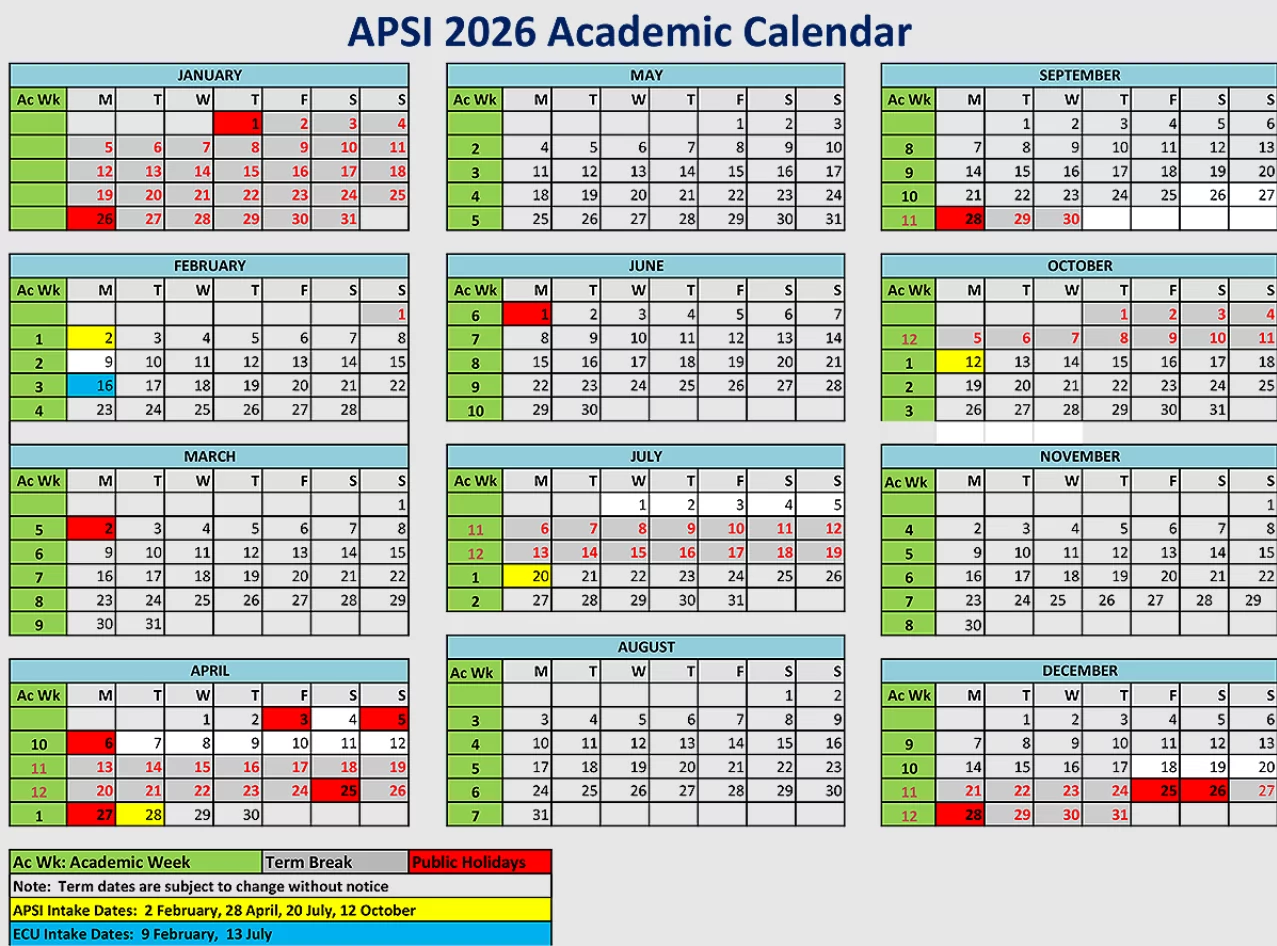
What Is an Academic Education Calendar?
An academic education calendar outlines the key dates and milestones of an academic year. It typically includes instructional periods, holidays, exams, enrollment deadlines, and institutional events.
An organized academic calendar system helps:
- Maintain consistency across departments and classrooms
- Improve communication between institutions and students
- Reduce scheduling conflicts
- Support long-term academic planning
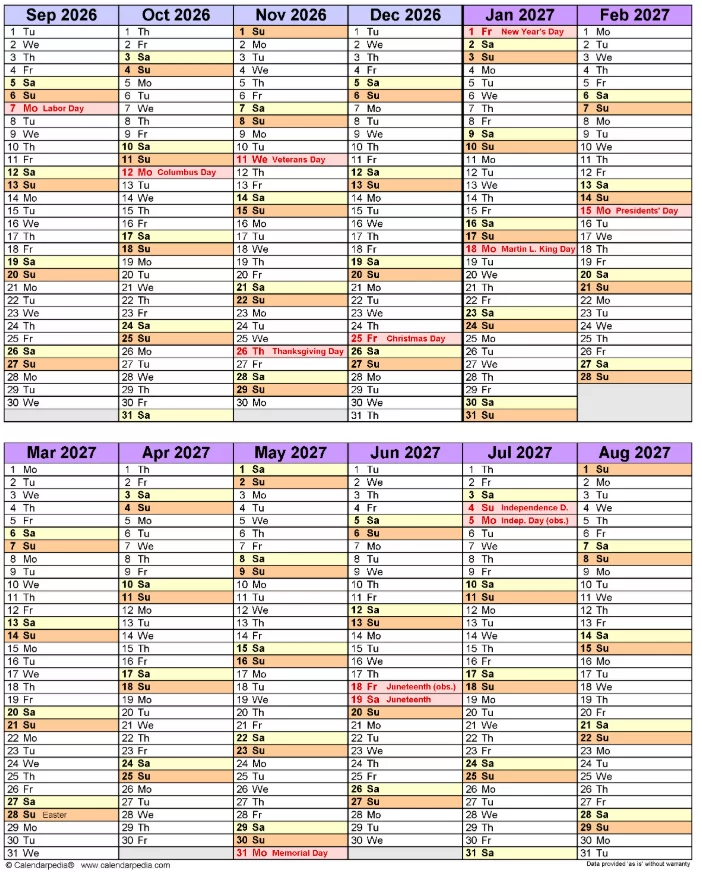
Why an Organized Academic Calendar Matters in 2026
Educational institutions in 2026 face increasing demands for flexibility and transparency. An organized calendar system provides a clear structure while allowing adjustments when necessary.
Key benefits include:
- Better coordination of teaching and assessments
- Clear visibility of academic deadlines
- Improved workload balance for students and educators
- Efficient planning of institutional activities
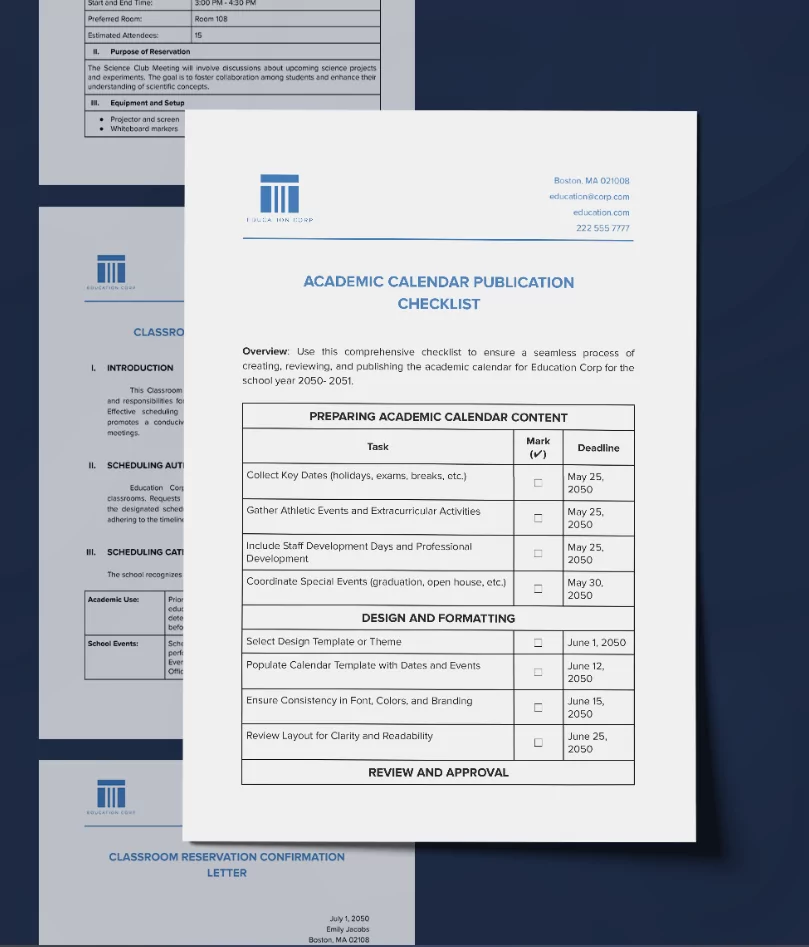
Core Components of an Academic Calendar System
Academic Terms and Semesters
These define the primary instructional periods and form the backbone of the academic year.
Holidays and Breaks
Scheduled breaks help manage workload and support student well-being.
Examination and Assessment Periods
Exam schedules, grading windows, and result release dates must be clearly defined.
Enrollment and Administrative Deadlines
Registration, add-drop periods, and fee deadlines are critical for academic operations.
Academic and Extracurricular Events
Orientation days, graduation ceremonies, and campus events should be integrated into the calendar.
How to Structure an Academic Education Calendar for 2026
- Start with fixed national or institutional holidays
- Define term start and end dates clearly
- Allocate buffer time around exam periods
- Align extracurricular activities with academic priorities
- Review and finalize the calendar before publication
Digital vs Printable Academic Calendars
Digital academic calendars allow real-time updates, reminders, and sharing across platforms. Printable calendars provide a visual overview suitable for classrooms, offices, and student planners. Many institutions use both formats together for maximum effectiveness.
Who Uses Academic Education Calendars?
- Schools and universities
- Educators and academic staff
- Students and parents
- Academic administrators
- Education planners and policymakers
Best Practices for Maintaining an Organized Academic Calendar
- Update the calendar promptly when changes occur
- Use clear labels and consistent terminology
- Communicate updates across all channels
- Conduct periodic reviews during the academic year
Conclusion
An academic education calendar for 2026 is more than a list of dates—it is an organized system that supports learning, administration, and long-term success. By clearly structuring terms, breaks, exams, and institutional events, educational communities can reduce confusion and improve overall efficiency.
A well-maintained academic calendar system empowers students and educators to focus on learning while staying aligned with academic goals throughout 2026.
FAQ Section
It is a structured schedule outlining key academic dates such as terms, exams, holidays, and deadlines.
It improves coordination, communication, and time management for institutions and students.
Academic terms, holidays, exams, enrollment deadlines, and major academic events.
Both are useful. Digital calendars offer updates and reminders, while printables provide clear visual reference.
They should be reviewed before publication and periodically updated throughout the academic year.
